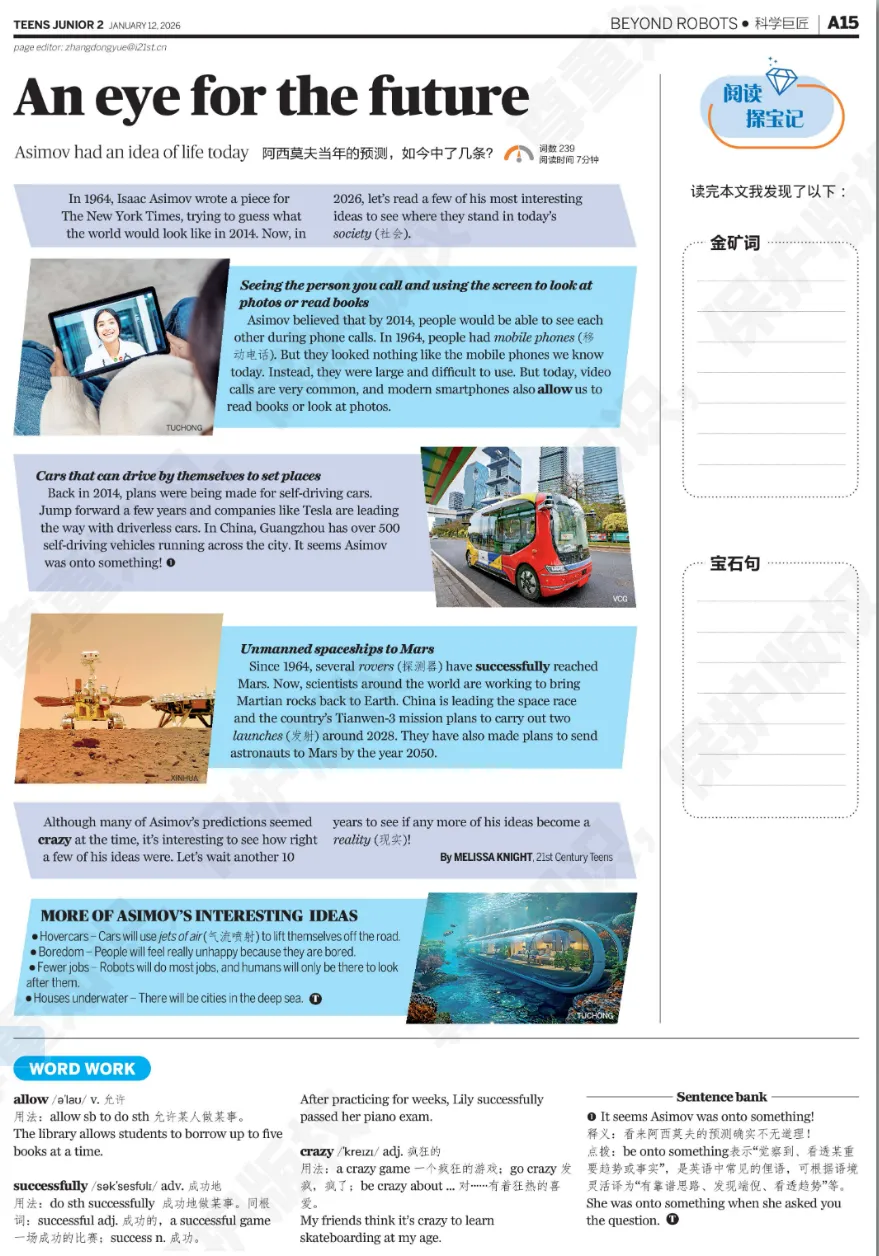
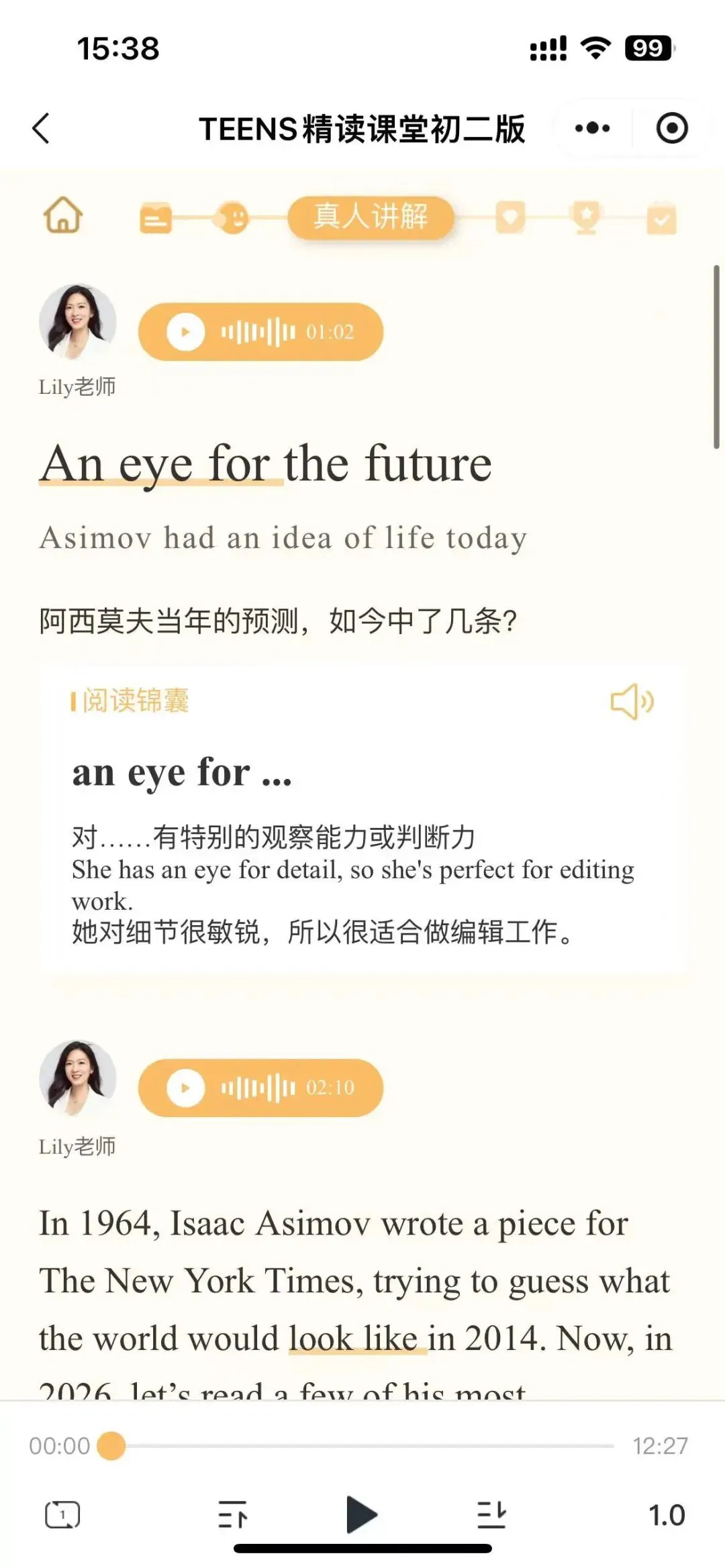
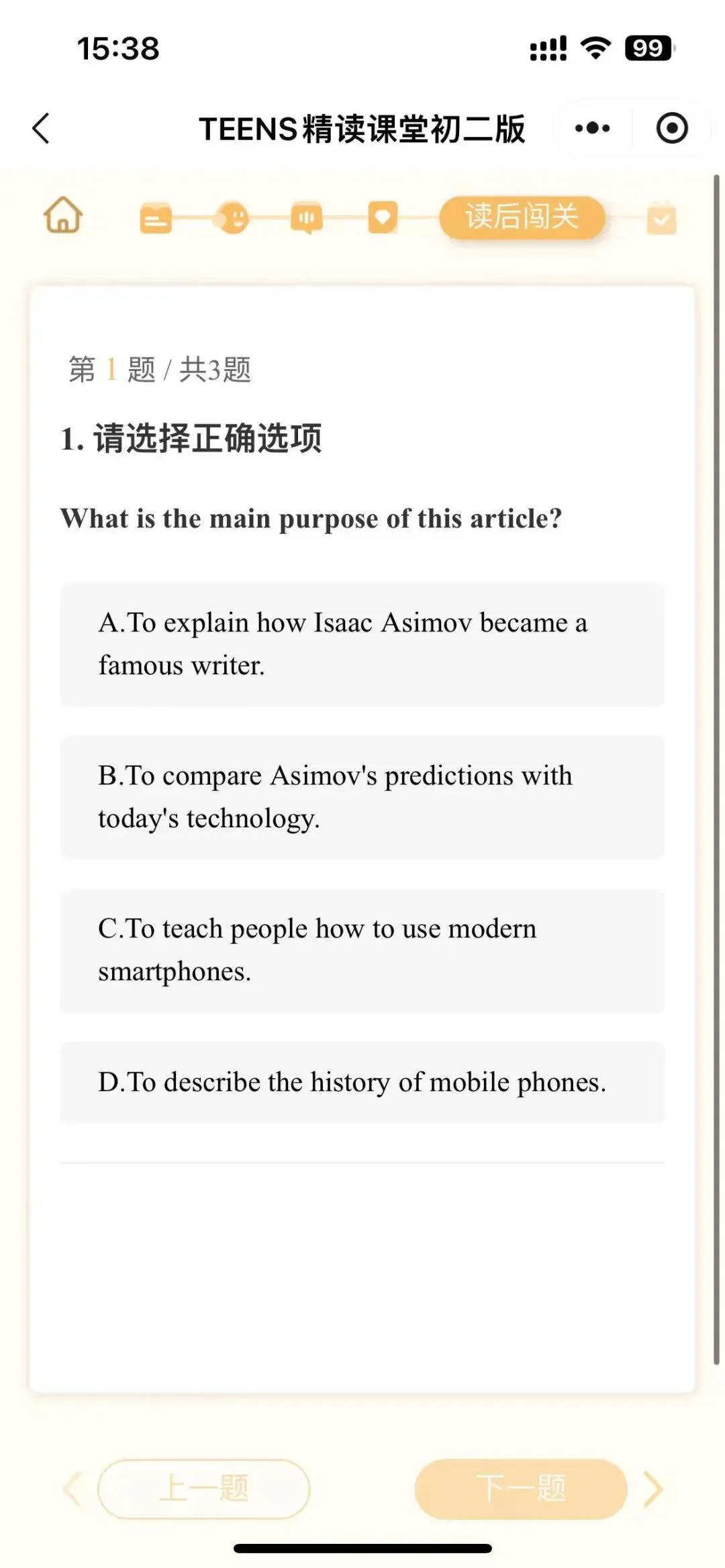
In 1964, Isaac Asimov wrote a piece for The New York Times, trying to guess what the world would look like in 2014. Now, in 2026, let’s read a few of his most interesting ideas to see where they stand in today’s society (社会).
Seeing the person you call and using the screen to look at photos or read books
Asimov believed that by 2014, people would be able to see each other during phone calls. In 1964, people had mobile phones (移动电话). But they looked nothing like the mobile phones we know today. Instead, they were large and difficult to use. But today, video calls are very common, and modern smartphones also allow us to read books or look at photos.
Cars that can drive by themselves to set places
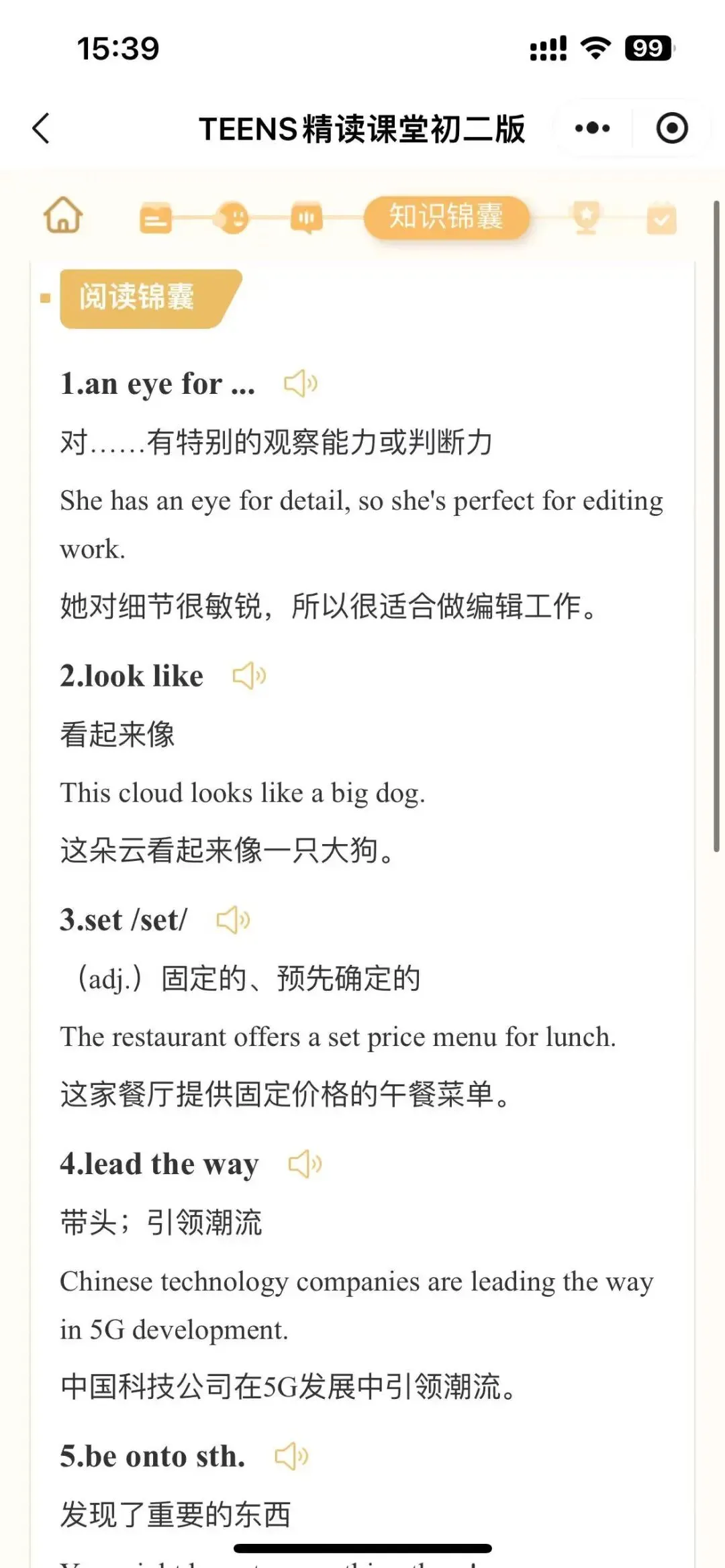
Back in 2014, plans were being made for self-driving cars. Jump forward a few years and companies like Tesla are leading the way with driverless cars. In China, Guangzhou has over 500 self-driving vehicles running across the city. It seems Asimov was onto something!
Unmanned spaceships to Mars
Since 1964, several rovers (探测器) have successfully reached Mars. Now, scientists around the world are working to bring Martian rocks back to Earth. China is leading the space race and the country’s Tianwen-3 mission plans to carry out two launches (发射) around 2028. They have also made plans to send astronauts to Mars by the year 2050.
Although many of Asimov’s predictions seemed crazy at the time, it’s interesting to see how right a few of his ideas were. Let’s wait another 10 years to see if any more of his ideas become a reality (现实)!
● Hovercars ‑ Cars will use jets of air (气流喷射) to lift themselves off the road.
● Boredom ‑ People will feel really unhappy because they are bored.
● Fewer jobs ‑ Robots will do most jobs, and humans will only be there to look after them.
● Houses underwater ‑ There will be cities in the deep sea.













 10个月宝宝每天需要喝多少奶粉?

