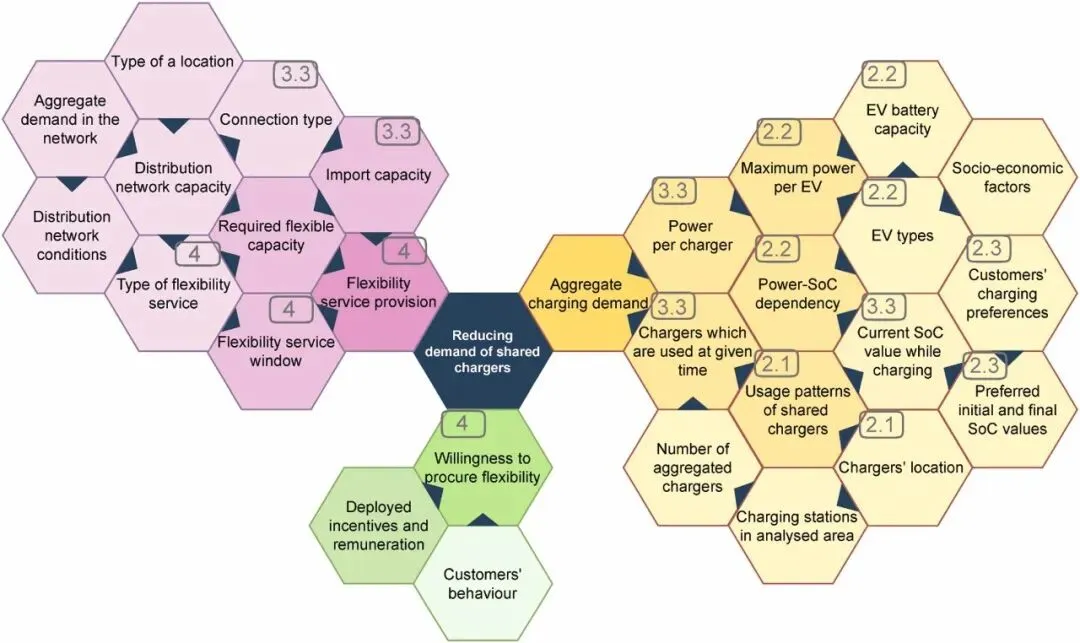
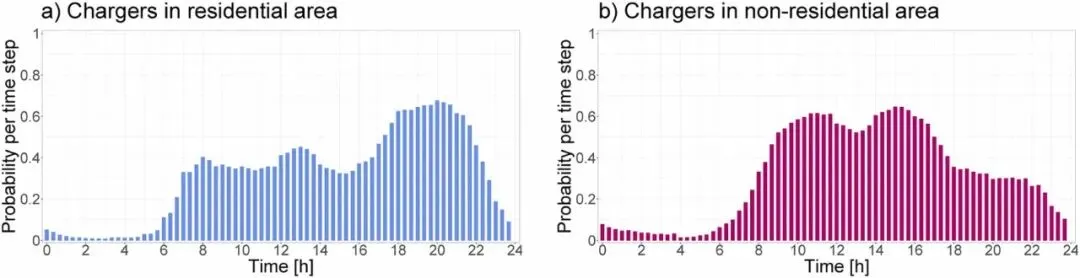
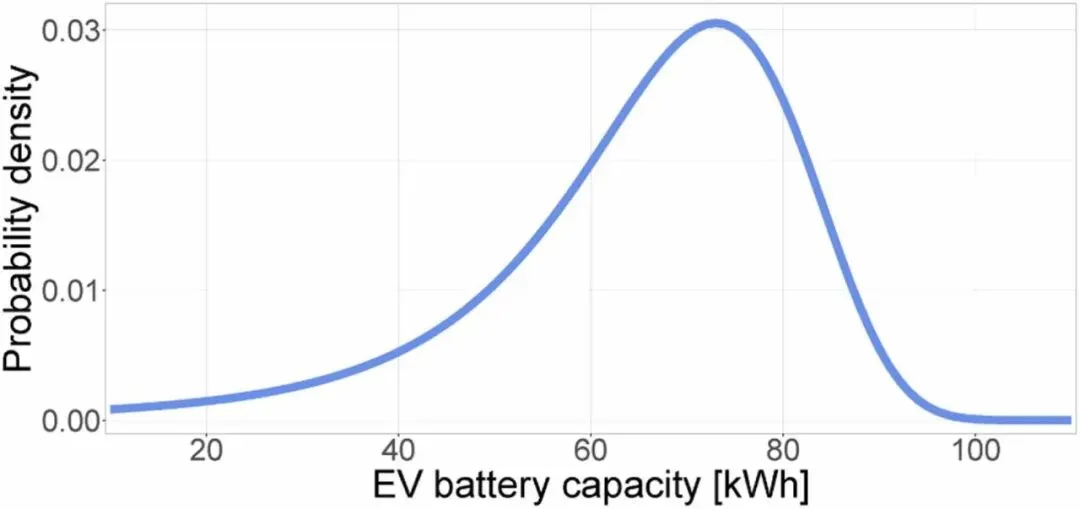
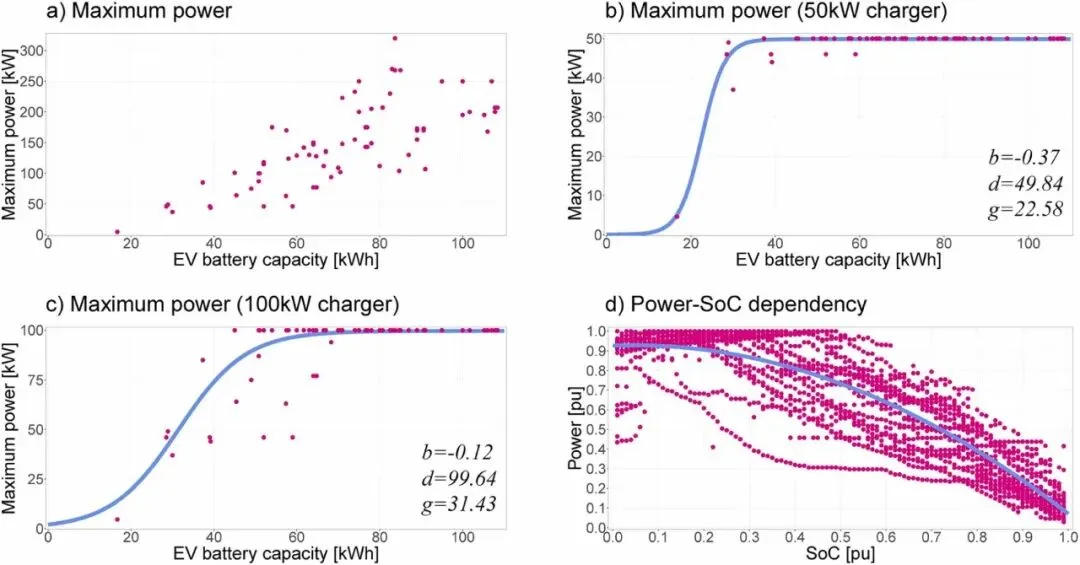
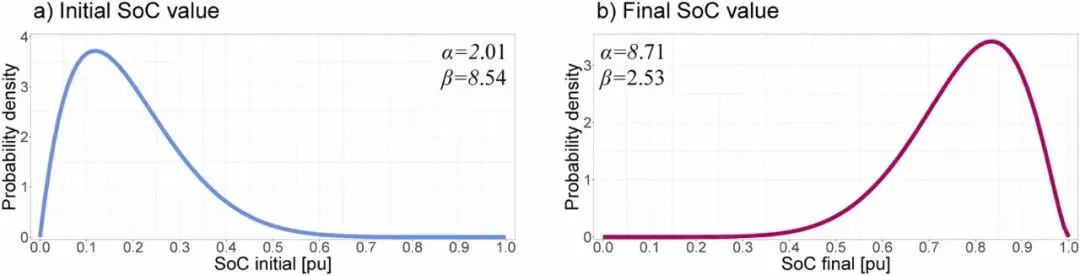
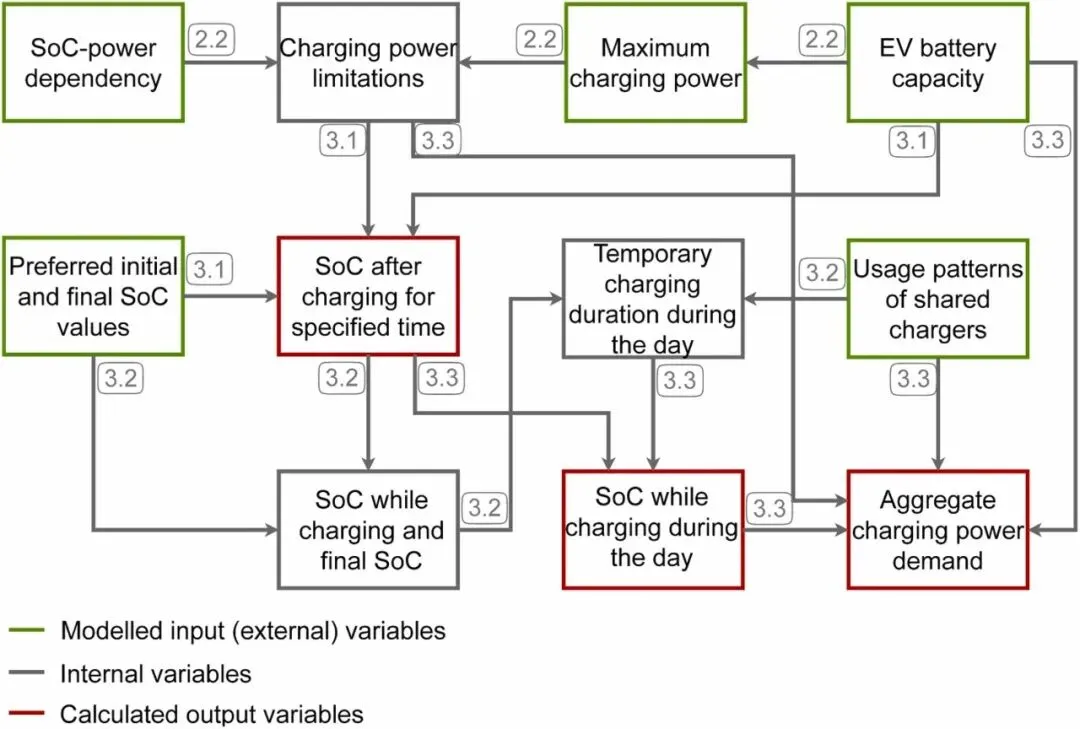
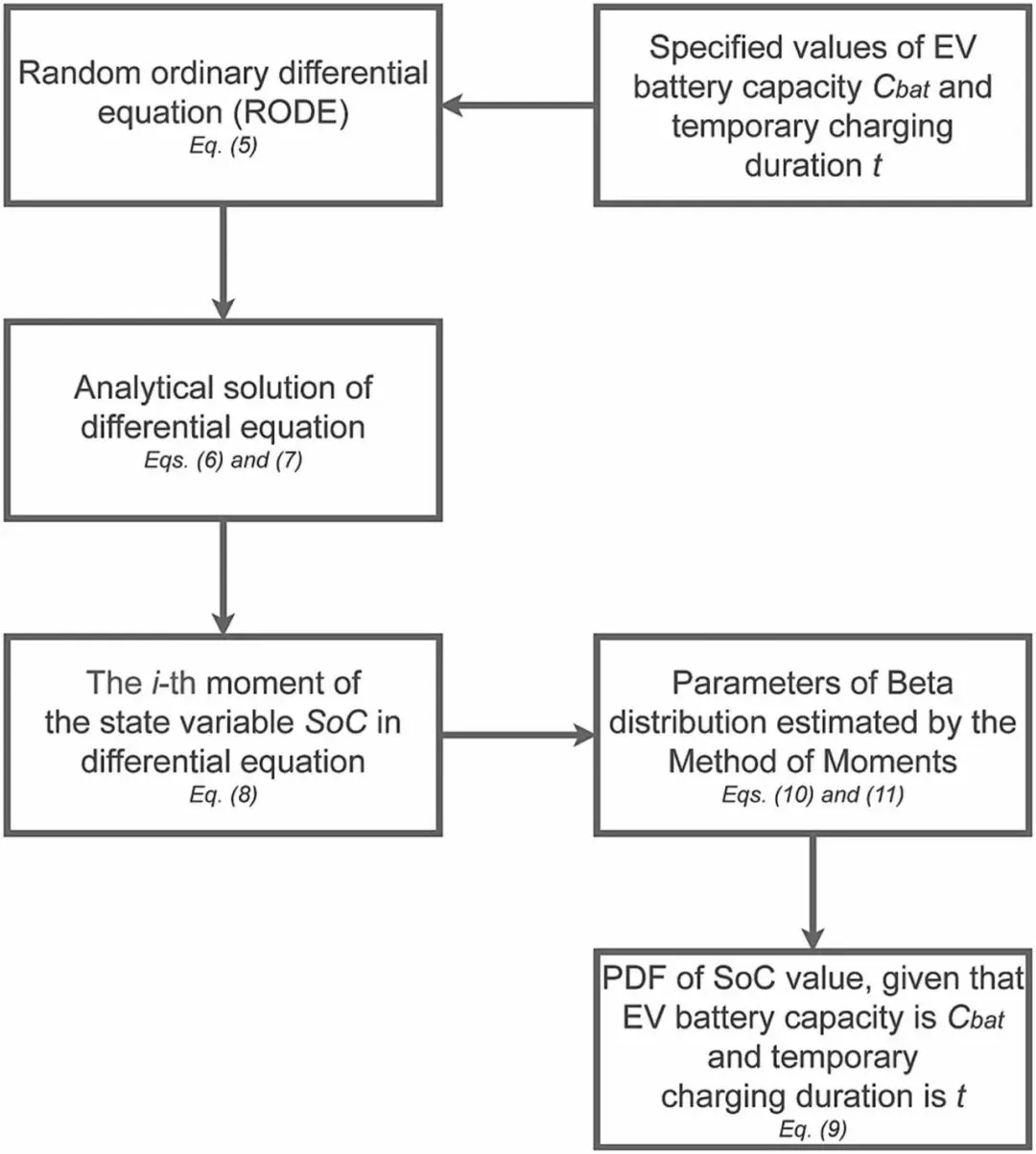
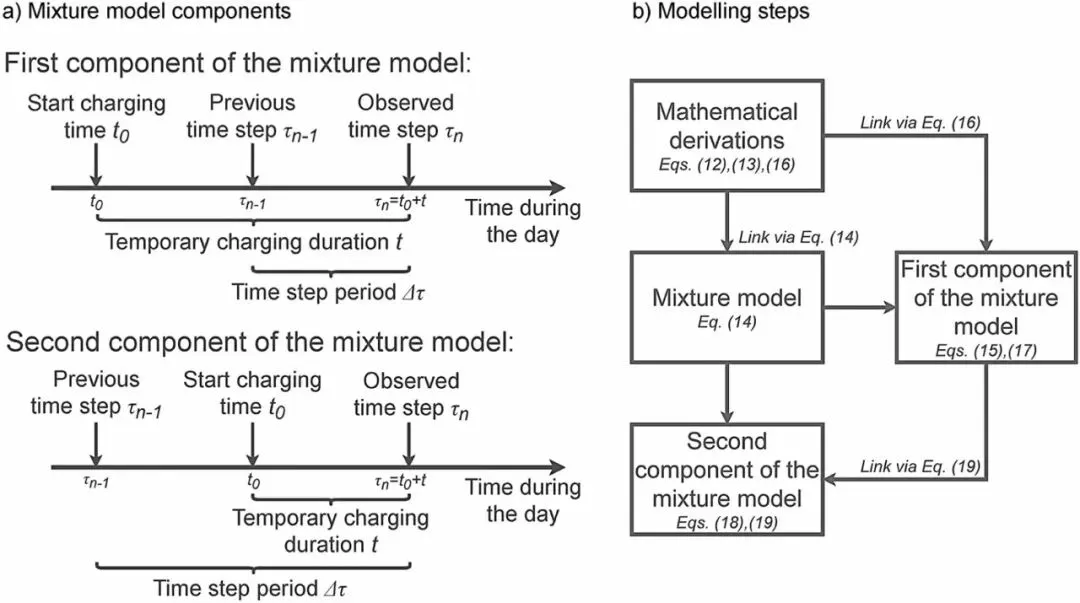
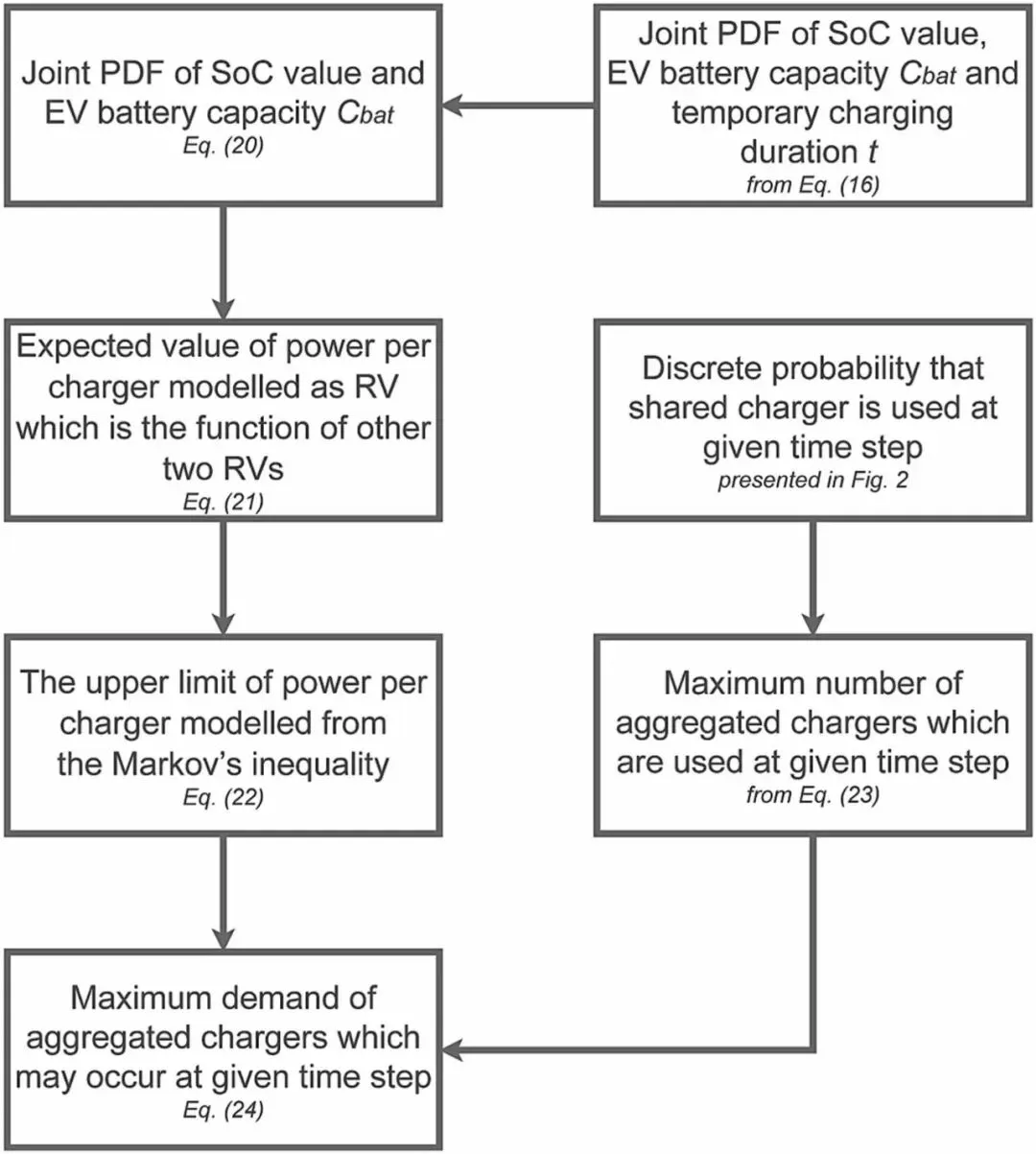
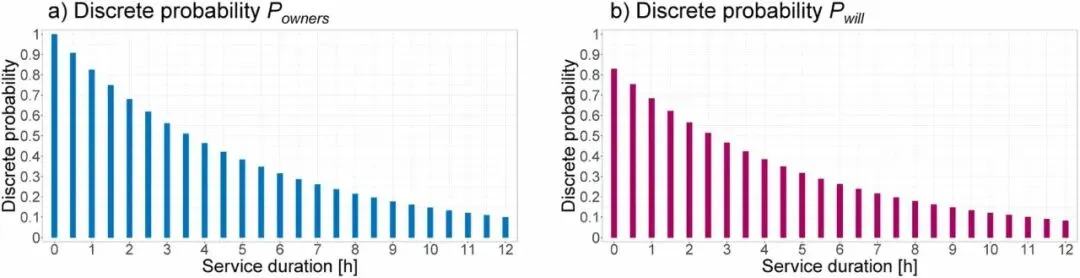
This paper proposes a probabilistic model for the flexibility assessment of shared charging stations for electric vehicles. Flexibility is modelled and evaluated in terms of the potential to reduce demand during the specified flexibility service window. Model is developed within the probabilistic framework to ensure that the randomness in modelled quantities is addressed. Main factors, which affect demand and available flexibility of charging stations, are identified and modelled in terms of the usage patterns of shared chargers, EV charging characteristics and customers’ charging preferences. Based on the proposed links between input, internal and output quantities, probability distributions of SoC value while charging, temporary charging duration at specified time, as well as the maximum aggregate charging power are calculated and presented. Finally, limits of available flexibility [kW] are quantified from the developed model for distinctive combinations of charging power rating, chargers’ location and flexibility service window. Flexible capacity is modelled and evaluated in line with the standardised active power services in the markets. Developed model is expected to be of particular interest in the distribution network planning.