外刊精读10 | 华尔街日报 | 自动驾驶的尴尬期:当人类老司机遇上由于“过度谨慎”而堵车的AI
- 2026-03-02 12:29:43
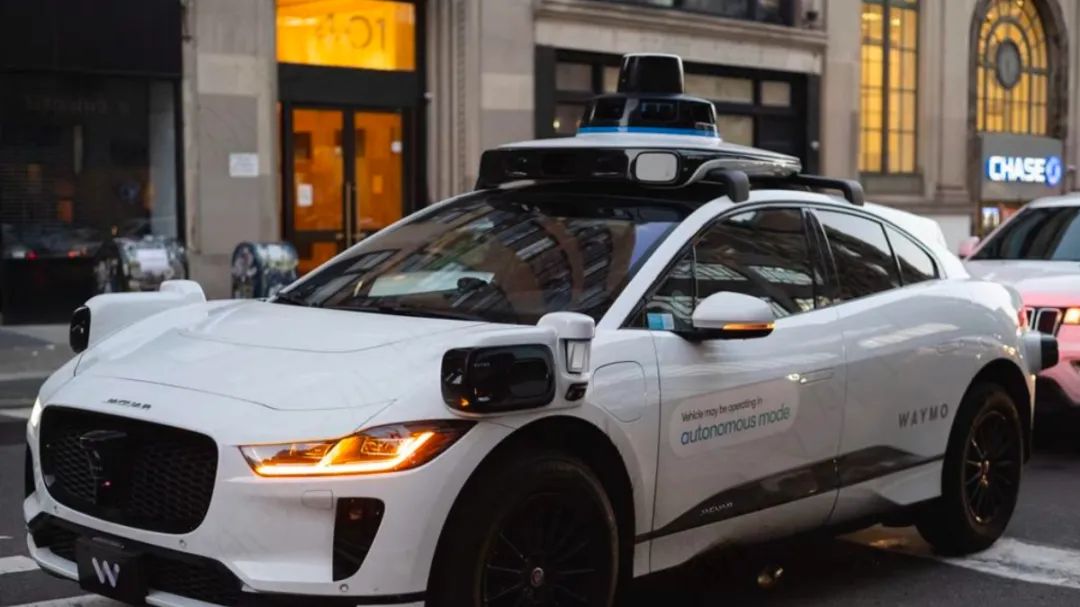
自动驾驶的尴尬期:当人类老司机遇上由于“过度谨慎”而堵车的AI
一、文章基本信息
文章标题:Remember When the Information Superhighway Was a Metaphor?
中文标题:还记得“信息高速公路”只是个隐喻吗?
副标题:Self-driving cars will make getting around easy—but in the short run, prepare yourself for traffic jams.(自动驾驶将使出行变得容易——但在短期内,请做好堵车的准备。)
选文来源:The Wall Street Journal(华尔街日报)
文章难度:★★★★☆(涉及交通政策、社会行为学分析及未来学预测)
文章字数:约 795 字
二、中文导读 (Introduction)
如果问一位未来学家,自动驾驶的未来是什么样的?他会描绘一幅车流如织、零事故的乌托邦画面。但这篇文章泼了一盆冷水:那个未来也许会来,但在此之前,我们必须熬过几十年的“阵痛期”。
文章的核心观点在于揭示了“混合交通”(Mixed Traffic)的困境。当道路上同时行驶着人类司机(靠手势和直觉)、激进的辅助驾驶(如特斯拉的 Hurry 模式)和保守的无人驾驶(如 Waymo)时,规则的冲突将导致效率的下降。作者犀利地指出,真正的问题不是机器会撞人,而是机器太“懂礼貌”了——以至于人类司机会学会“欺负”它们,通过抢道来获得优势,从而拖慢整个交通流。针对这一困局,文章提出了三种可能的政策路径:加速(Acceleration)、围堵(Containment)和隔离(Segregation)。
三、正文精读 (Full Text & Translation)
Para. 1
Ask a futurist about self-driving cars, and you’ll hear an exciting story: traffic that flows like clockwork, pedestrians stepping into the street without fear, and collisions so rare they make the news. That story will probably come true, eventually. But to get there, we will have to pass through a long stretch—perhaps lasting decades—with road conditions worse than they are today. The outcome will be a future so much better than today’s that human driving won’t seem outdated; it will seem unthinkable.
【参考译文】
若向未来学家询问自动驾驶汽车会带来什么,他们会描绘出激动人心的图景:车流如时钟般精准有序,行人从容穿行街巷而无惧色,交通事故罕见到足以登上新闻。这一愿景或许终会成为现实。但在此之前,我们必将经历一段漫长的时期——或许持续数十年——届时路况甚至比现在还要糟糕。但最终的结果将是一个远超当下的未来,彼时人类驾驶不仅显得落伍,甚至会让人觉得不可思议。
Para. 2
For now, as San Francisco learned, even good conditions can produce strange gridlock. Last year a Waymo robo-taxi sat motionless behind a double-parked delivery van. Any human driver would have nudged forward, checked for oncoming cars and slipped past. The Waymo began to do that but encountered another Waymo coming the other way. Each stopped to let the other proceed. Neither did. Behind them drivers honked, and more Waymos arrived, which also waited. Finally, after about four minutes, the second Waymo crept free, ending the gridlock.
【参考译文】
如今,旧金山的教训表明,即便路况良好,也可能引发离奇的交通拥堵。去年,一辆 Waymo自动驾驶出租车在一辆并排停放(违停)的送货车后面一动不动。换作任何人类司机,都会慢慢向前挤,观察迎面驶来的车辆,然后溜过去。这辆 Waymo 起初也试图这么做,却遇上了对向驶来的另一辆 Waymo。两辆车都停下来礼让对方先行。结果谁也没动。后方的人类司机按起了喇叭,更多 Waymo 陆续抵达,也都在原地等待。直到约四分钟后,第二辆 Waymo 终于缓慢驶离,这场拥堵才宣告结束。
Para. 3
That standoff captures the challenge of automated-driving technology. The result won’t be the mayhem and catastrophe that many fear when they think of driverless cars, but rather a pervasive drag: slower flow, more near-misses and a growing sense that nobody is in charge.
【参考译文】
那场僵持精准捕捉到了自动驾驶技术面临的挑战。结果或许不会如许多人担忧的那样,变成混乱与灾难,反而是某种无处不在的阻滞(拖累):车流速度减缓,险情(差点相撞)频发,以及一种日益强烈的“无人主导”的失控感。
Para. 4
As yet only a tiny percentage of cars drive themselves. Waymo provides more than 250,000 rides a week in Phoenix, San Francisco, Los Angeles and Austin, Texas. Meanwhile, according to American Automobile Association, 73 million Americans were projected to travel by car for Thanksgiving this year. When an autonomous vehicle behaves oddly, it blends into the general oddities of human driving. That will change when automation reaches critical mass.
【参考译文】
目前,只有极少数车辆能实现自动驾驶。Waymo 在凤凰城、旧金山、洛杉矶和德克萨斯州奥斯汀每周提供超过 25 万次出行服务。与此同时,据美国汽车协会数据,今年感恩节期间预计将有 7300 万美国人驾车出行。当一辆自动驾驶汽车表现古怪时,它目前还只是混杂在人类驾驶的各种怪异行为中。但当自动化达到临界规模时,情况将发生改变。
Para. 5
Imagine a busy intersection. A Tesla, running with a human in the seat but operating with self-driving “Hurry” mode, is stuck behind a cautious Waymo. Meanwhile, a human driver is edging out of a parking lot, trying to see beyond a parked delivery van. Each driver—human, algorithmic and combination—operates on different assumptions. The human negotiates with gestures. The Waymo waits for certainty. The Tesla pushes forward impatiently, while its occupant wonders whether to take control.
【参考译文】
设想一个繁忙的十字路口。一辆载有人类的特斯拉正开启自动驾驶的“匆忙”模式,却被堵在一辆谨慎的 Waymo 后面。与此同时,一位人类司机正试图从送货车后方探视,徐徐驶出停车场。每一位“驾驶员”——人类、算法以及人机混合体——都基于不同的假设在行动。人类通过手势进行协商。Waymo 等待绝对的确定性。特斯拉不耐烦地向前挤,而车内的乘客则在犹豫是否该接管车辆。
Para. 6
Once automation makes up roughly half of traffic, no single behavioral rule book will govern the road. Some cars will brake when they encounter ambiguities, while others barrel ahead. Some will surrender the right-of-way, while others will assert it.
【参考译文】
一旦自动驾驶车辆构成(占据)了大约一半的交通流量,道路上将不再有单一的行为准则。有些车遇到模棱两可的情况会刹车,而另一些则会飞驰向前。有些会放弃先行权,而另一些则会强行抢占。
Para. 7
Worse, people will learn to take advantage of the machines’ abundance of caution, knowing that the robo-car they cut in front of will yield. Such opportunists will introduce inefficiency into the flow of traffic, and thousands of them—each driver trying to shave a few seconds off his trip—will slow everything down.
【参考译文】
更糟的是,人类将学会利用机器“过度谨慎”的特点,因为他们知道,自己强行切入前方的那辆机器人汽车一定会让行。这类机会主义者将给交通流引入低效,当成千上万个这样的司机——每个人都想从行程中节省(削减)几秒钟——汇聚在一起时,整个交通系统都会慢下来。
Para. 8
Automakers will still sell cars to those who want to drive themselves, while tech firms such as Waymo and Zoox with their robo-taxi fleets will sell rides instead of cars. Private ownership appeals to those who prize flexibility and control; ride-sharing suits those who want convenience without the costs of ownership. Each model serves distinct preferences that won’t disappear. A messy mix of the two will be durable enough to define an era.
【参考译文】
汽车制造商仍将向那些想要自己驾驶的人出售汽车,而像 Waymo 和 Zoox 这样的科技公司将通过其机器人出租车队出售出行服务而非车辆。私有制吸引那些珍视灵活性和控制权的人;拼车服务则适合那些想要便利却不想承担拥车成本的人。每种模式都服务于不会消失的独特偏好。这两种模式的混乱混合将持续存在,足以定义一个时代。
Para. 9
The question is how to manage and shorten this mixed-traffic future. Here are three ways we might do this. The first strategy is acceleration:designating specific districts for rapid adoption and push automation to dominance quickly there. A city might license robo-taxi fleets aggressively within certain zones, while surrounding areas remain mostly human-driven. This would get the selected areas through the troublesome middle phase quickly, but the pains and benefits would be concentrated in specific neighborhoods.
【参考译文】
问题在于如何管理并缩短这个混合交通的未来。我们可能有三种应对之道。第一种策略是加速:指定特定区域进行快速普及,并在那里迅速推动自动化占据主导地位。城市可以在特定区域内激进地(大力)许可机器人出租车队运营,而周边地区仍主要由人类驾驶。这将使选定区域快速度过麻烦的中间阶段,但阵痛和收益都将集中在特定的社区。
Para. 10
The second plan is containment: keeping automation below the chaos threshold until infrastructure and regulation are ready. Cities could use permits or fees to slow deployment, preserving human norms while systems mature. This would maintain stability and provide time to upgrade urban infrastructure to meet the challenge of driving automation but delay the benefits that driving automation offers.
【参考译文】
第二个方案是遏制(管控):将自动化水平控制在混乱阈值以下,直到基础设施和法规准备就绪。城市可以利用许可证或费用来放缓部署速度,在系统成熟的同时保留人类的驾驶规范。这将维持稳定性,并为升级城市基础设施以应对自动驾驶挑战争取时间,但也推迟了自动驾驶所带来的好处。
Para. 11
The third is segregation:dedicating lanes, corridors and even certain hours to automated vehicles. Autonomous vehicle-only lanes during rush hour could let machine drivers coordinate without human interference. This would prevent the most dangerous interactions through clean separation. But it would require substantial infrastructure investment—more than most cities or states will want to pay.
【参考译文】
第三种是隔离:为自动驾驶车辆专用车道、走廊甚至特定时段。在高峰时段设置自动驾驶专用车道,可以让机器驾驶员在没有人类干扰的情况下进行协调。这将通过彻底的分离来防止最危险的互动。但这将需要大量的基础设施投资——这超出了大多数城市或州愿意支付的范围。
Para. 12-13
The good news is that we’ve navigated similar complexities before. The electrical grid mixes coal, natural gas and wind. Air-traffic control manages prop planes and jets. The roads of the future will be a similar patchwork, with automation dominant but human drivers never fully disappearing. All three options are complex and require public debate. But automated driving is speeding toward us. The popular imagination assumes a clean break—one day humans drive and the next only robots do. Reality will be messier.
【参考译文】
好消息是,我们以前曾应对(驾驭)过类似的复杂局面。电网混合了煤炭、天然气和风能。空中交通管制同时管理着螺旋桨飞机和喷气式飞机。未来的道路将是类似的拼凑物,自动化占主导地位,但人类司机永远不会完全消失。所有这三个选项都很复杂,需要公众辩论。但自动驾驶正加速向我们驶来。大众的想象假设了一种彻底的决裂——前一天还是人类驾驶,第二天就只有机器人驾驶。现实将更加混乱。
四、重点词汇与短语 (Vocabulary Focus)
第一部分:核心单词 (Single Words)
1. Futurist(n.)
英文释义:Someone who studies and predicts the future based on current trends.
中文释义:未来学家。
例句:The futurist predicts that AI will solve all traffic problems. (未来学家预测 AI 将解决所有交通问题。)
备注说明:文章开头引用未来学家的美好愿景作为靶子,引出残酷的现实。
2. Gridlock(n.)
英文释义:A situation where traffic is so heavy that vehicles cannot move; a situation where no progress can be made.
中文释义:交通大瘫痪;僵局。
例句:The strike brought the city to a gridlock. (罢工让城市陷入了瘫痪。)
备注说明:形象地描述了纵横交错的街道被锁住(lock)的状态,文中特指 Waymo 互相礼让导致的死循环。
3. Standoff(n.)
英文释义:A situation in which agreement in an argument does not seem possible; a deadlock between two equally matched opponents.
中文释义:僵持;对峙。
例句:The negotiation ended in a standoff. (谈判以僵持告终。)
备注说明:用来形容两辆 AI 车互相等待、谁也不动的尴尬局面。
4. Mayhem(n.)
英文释义:Extreme confusion and disorder.
中文释义:混乱;骚乱。
例句:There was absolute mayhem when the cow ran into the shop. (牛跑进商店时,现场一片混乱。)
备注说明:作者指出未来不是血腥的 mayhem,而是令人心烦的 drag(拖累)。
5. Pervasive(adj.)
英文释义:Spreading widely throughout an area or a group of people.
中文释义:无处不在的;遍布的。
例句:The corruption is pervasive in this organization. (腐败在这个组织中无处不在。)
备注说明:用来修饰 drag(阻碍),强调这种低效将渗透到交通的每个角落。
6. Opportunist(n.)
英文释义:A person who exploits circumstances to gain immediate advantage rather than being guided by consistent principles.
中文释义:机会主义者;投机取巧者。
例句:He is a political opportunist. (他是个政治投机分子。)
备注说明:文中指那些发现 AI 车会礼让,于是疯狂插队的人类司机。
7. Segregation(n.)
英文释义:The action or state of setting someone or something apart from other people or things.
中文释义:隔离;分开。
例句:The segregation of cyclists from motor traffic improves safety. (将骑行者与机动车流隔离能提高安全性。)
备注说明:文中提出的第三种策略,即“车路分离”。
8. Navigate(v.)
英文释义:To guide a vessel or vehicle; to manage or deal with a difficult situation.
中文释义:导航;应对;驾驭(复杂局面)。
例句:We need to navigate these complex legal issues carefully. (我们需要小心应对这些复杂的法律问题。)
备注说明:既指驾驶车辆,也指人类社会处理复杂变革的能力。
第二部分:重点短语与固定搭配 (Phrases & Idioms)
1. like clockwork
英文释义:Very smoothly and regularly; precisely as planned.
中文释义:极为准时地;有条不紊地;顺利地。
例句:The operation went like clockwork. (手术进行得非常顺利/有条不紊。)
备注说明:形容理想状态下自动驾驶交通流的精准高效。
2. in the short/long run
英文释义:At a time that is far away in the future / in the near future.
中文释义:从长期/短期来看。
例句:In the short run, it will be painful, but it's worth it in the long run. (短期内会很痛苦,但长远看是值得的。)
备注说明:分析趋势时的万能连接词。
3. critical mass
英文释义:The minimum size or amount of something required to start or maintain a venture.
中文释义:临界规模;关键数量。
例句:We need to reach a critical massof users before the app becomes profitable. (我们需要达到临界用户规模,应用才能盈利。)
备注说明:物理学术语引申,指自动驾驶车辆多到足以改变整体交通生态的那个点(文中指50%)。
4. right-of-way
英文释义:The legal right of a pedestrian, vehicle, or ship to proceed with precedence over others in a particular situation.
中文释义:先行权;路权。
例句:Pedestrians have the right-of-way at crosswalks. (行人在斑马线上拥有先行权。)
备注说明:交通规则的核心概念。
5. shave ... off
英文释义:To reduce something by a small amount.
中文释义:削减;缩短(时间)。
例句:The swimmer shaved two seconds off the world record. (游泳运动员将世界纪录缩短了两秒。)
备注说明:形象地描述司机为了抢几秒钟而插队的行为。
6. appeal to
英文释义:To be attractive or interesting to someone.
中文释义:吸引;对...有吸引力。
例句:The idea of working from home appeals to many people. (在家办公的想法吸引了很多人。)
备注说明:描述不同商业模式(私家车 vs. 网约车)的受众群体。
7. a clean break
英文释义:A complete separation; a fresh start without connection to the past.
中文释义:彻底决裂;一刀两断。
例句:She decided to make a clean break with her bad habits. (她决定与坏习惯彻底决裂。)
备注说明:作者用此短语否定了那种“一夜之间全是自动驾驶”的简单幻想。
五、背景解读 (Contextual Interpretation)
1. 信息高速公路 (Information Superhighway)
标题提到的 "Information Superhighway" 是 20 世纪 90 年代流行的一个隐喻,用来形容当时的互联网(Internet)和数字通信网络。当时人们用“高速公路”来想象数据的快速流动。作者用这个老梗来暗示:就像当年的互联网经历了拨号上网的龟速和混乱才走到今天的光纤时代,自动驾驶也要经历类似的“烂泥路”阶段。
2. Waymo vs. Tesla 的技术路线之争
文中提到了两种代表性的自动驾驶逻辑:
Waymo (Google系):依赖高精地图和昂贵的激光雷达,追求L4/L5级全自动驾驶。策略是“保守、安全第一”,如文中描述的死板礼让。
Tesla (Elon Musk系):依赖摄像头和视觉算法,目前处于L2+辅助驾驶阶段(FSD)。策略是“模仿人类、激进、效率优先”,如文中提到的 "Hurry mode"(虽然实际上特斯拉没有这个官方名称,作者用此指代其激进的驾驶风格)。
这两种逻辑在同一条路上相遇,必然产生“鸡同鸭讲”的冲突。
3. J曲线效应 (The J-Curve Effect)
这篇文章描述的现象符合经济学中的J曲线效应:事物在好转之前,往往会先变坏。在自动驾驶普及的初期(混合交通阶段),由于系统的不兼容和人类的投机行为,交通效率不仅不会提升,反而会下降(dip),只有当技术渗透率超过临界点后,效率才会指数级上升。
六、核心观点分析与思考
1. 技术的社会性:代码遇上人性
文章最精彩的洞见在于指出了“人机博弈”的困境。
机器逻辑是二进制的、守则的(若前方有障碍,则停车)。
人类逻辑是博弈的、模糊的(他不敢撞我,所以我可以插队)。
当守规则的机器遇到不守规则的人类,机器就成了“弱势群体”。如果所有人都知道自动驾驶汽车必须让行,那么人类就会无底线地欺负它们,导致自动驾驶车辆寸步难行。这是一个典型的纳什均衡失效场景。
2. 政策的三难选择
文章提出的三种策略各有代价:
加速(Acceleration):牺牲局部公平(被选中的区域做小白鼠),换取快速迭代。
围堵(Containment):牺牲技术进步的速度,换取社会的稳定。
隔离(Segregation):最安全但也最昂贵(修专用道要花大钱)。
这实际上是在效率、安全、成本之间做取舍。
3. 未来的形态:拼布(Patchwork)而非断代
作者认为未来不会是一个纯粹的“机器人世界”,而是一个混合体(Patchwork)。这是一种深刻的现实主义视角。就像现在的电网里既有最先进的风能,也有最古老的煤电一样,未来的道路上,怀旧的富人可能开着手动挡跑车,旁边则是成群结队的无人巴士。管理这种复杂性,比单纯研发技术要难得多。
我的思考:如果你知道前面那辆车是绝对不敢撞你的无人驾驶汽车,你会忍不住加塞插队吗?如果人人都这样做,我们是否需要专门立法来惩罚“欺负机器人”的人类司机?
外刊精读1 | 卫报 | 垃圾食品广告禁令:引导健康饮食是政府的责任
外刊精读3 | 经济学人 | 展望2026:人工智能的真实影响将于明年显现
外刊精读4 | 金融时报 | 为什么男性真的应该多读点小说?
外刊精读6 | 经济学人 | 企业“一夜成名”的诅咒:OpenAI、诺和诺德与泡泡玛特的共同点
外刊精读7 | 华尔街日报 | 为什么我们和有些人“一见如故”,和有些人却“话不投机”?
外刊精读8 | 经济学人 | 当 AI 学会走捷径:如何用“逆向心理学”训练诚实的机器人
外刊精读9 | 华尔街日报 | 最高法院版权第一案:宽带公司该为用户的盗版买单吗?
随机文章
-
 10个月宝宝每天需要喝多少奶粉?
- 案例|司法部入库案例:涉嫌交通事故轿车摩托车及当事人外套纤维附着物等成分比对分析微量物证鉴定案//法大法庭科学技术鉴定研究所
- 徐闻县亮相轿车维修中心,招维修师傅3名,薪资待遇:面议!
- 长轴距E级轿车 与生俱来的优雅
- 比亚迪全新B级纯电SUV 宋UltraEV 松弛有度 悦享从容敬请期待
- 10万出头拿下2.0T运动轿车!2026款MG7到底怎么选?看这篇就够
- 16.99 万起的中大型新能源轿车!别克至境 L7 选购指南,低配高配这样选不踩坑
- 方程豹出轿车:越野品牌玩跨界,是清醒还是打脸?
- R1XX对自动驾驶系统ADS的要求2️⃣6️⃣
- 国产自动驾驶芯片新突破,算力再提升
- 汽车L3级自动驾驶市场预测

