


当前位置:首页>自动驾驶>“牛气轰轰”的自动驾驶 - (六十九)

“牛气轰轰”的自动驾驶 - (六十九)

  • 2026-10-21 22:37:37
“牛气轰轰”的自动驾驶 - (六十九)
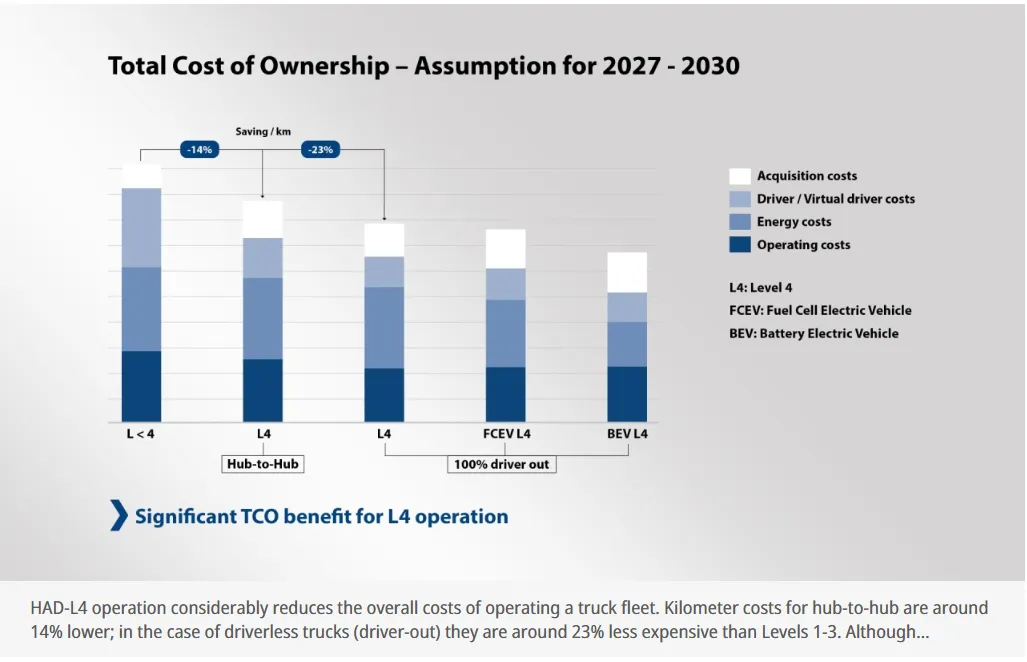
“E-mobility is a trend largely driven by society and is therefore at the forefront of public discourse, legislation and the transport industry. Nevertheless, a real business case will emerge in the long term as the total cost of ownership (TCO) falls. Meanwhile, highly automated driving is strongly driven by the direct benefit of economic efficiency, so the substantial investments in this technology will pay off more quickly.”Dr. Huber explains: “Fleet operators make their own choices on how to deploy automated driving to reduce costs and support their drivers. They reach these benefits through lower TCO, higher availability, higher transport safety and a way to tackle to the major problem of driver shortages.” In particular, falling total costs provide motivation for the ongoing development of HAD technology. 
这段话,解释了几个核心观点,针对L4级别的卡车,最终目标还是 降低整体的使用费用 TCO,更高的可用性,更高的运输安全和补充司机缺点 四个主要方向;
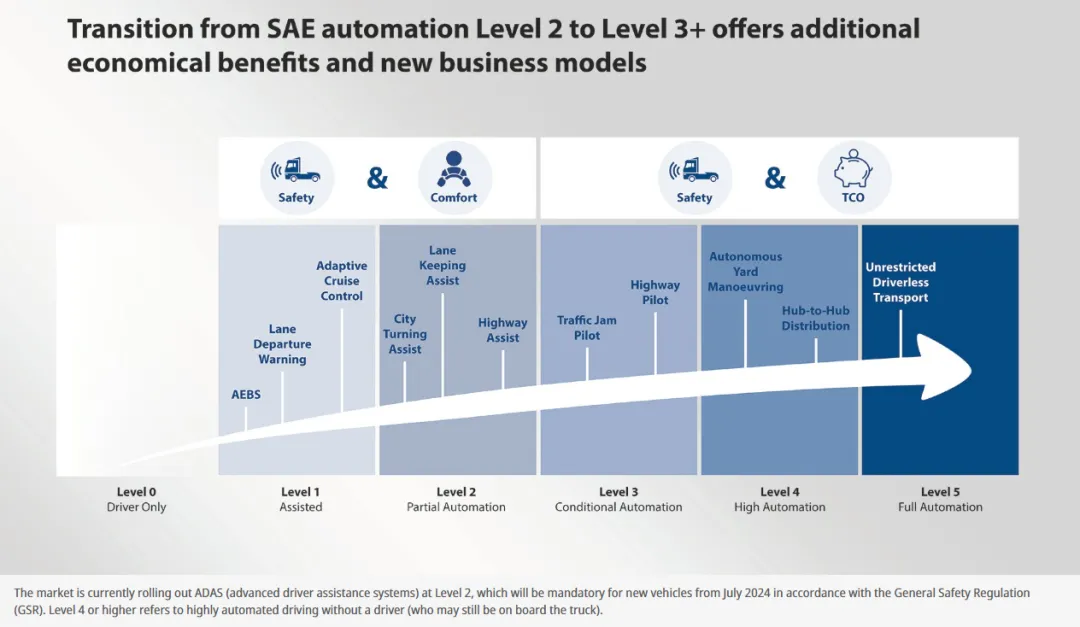
自动驾驶 L2以下和 L3以上的关注点不同,L2以下,重点的商业模式还是 安全&舒适,而L3以上关注的是 安全&TCO;
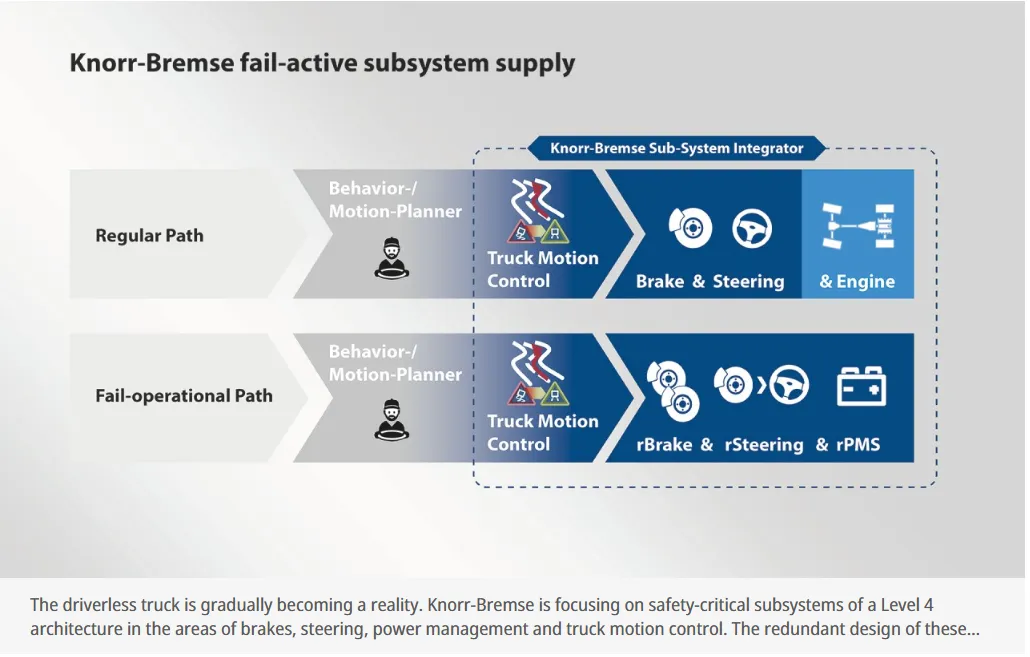
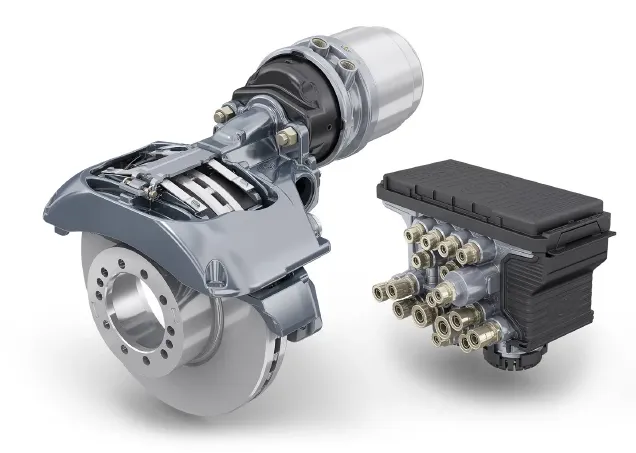
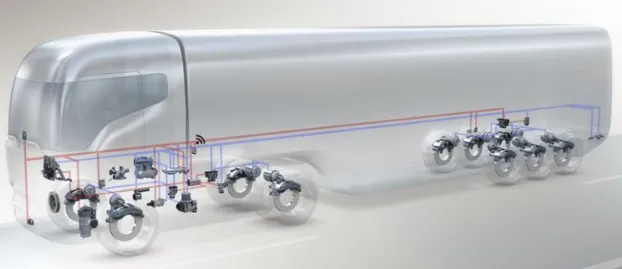
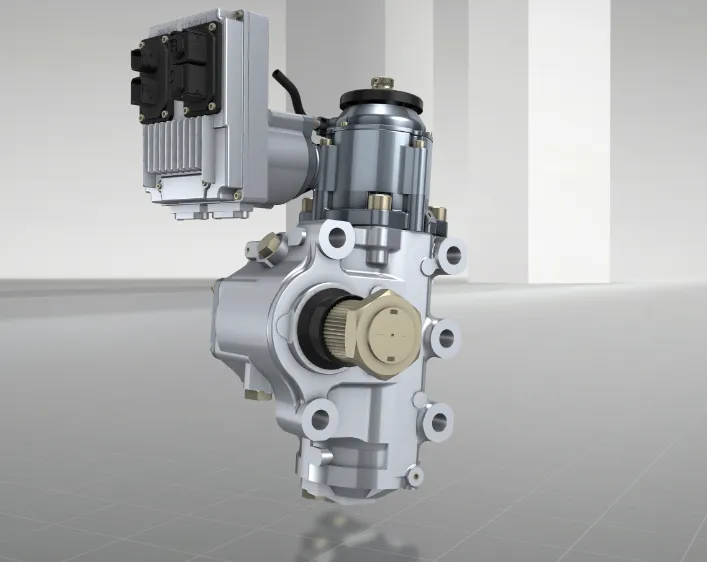
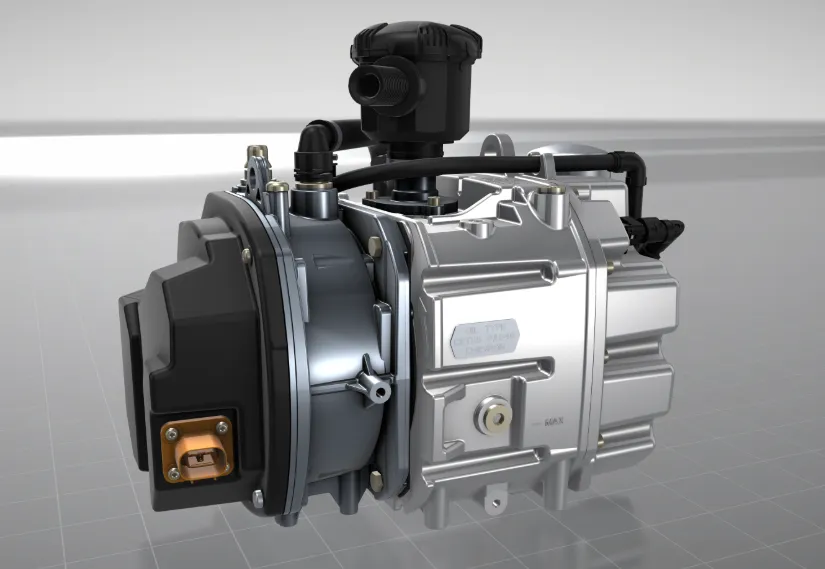
克诺尔在高级别自动驾驶上的产品规划,通常的路径上,提供 卡车运动控制,制动和转向,包含发动机;而在 失效操作上,提供 卡车运动控制,冗余的制动和转向,包含冗余的 PMS;
1. 冗余制动系统
子系统的冗余功能不是完全复制零件,部署了一个更小,成本效率的架构,集成优先和次级通路;2个 fallback levels, 冗余制动系统,发生制动系统失效,车辆应用 Minimal Risk Maneuver 最小风险操作,卡车会自动驾驶到路边,泊车并且等待救援;如果制动系统失效,卡车会退回到第二制动系统,具有相同的性能和继续行驶能力;再发生问题,卡车就使用Minimal Risk Maneuver 会安全停车;

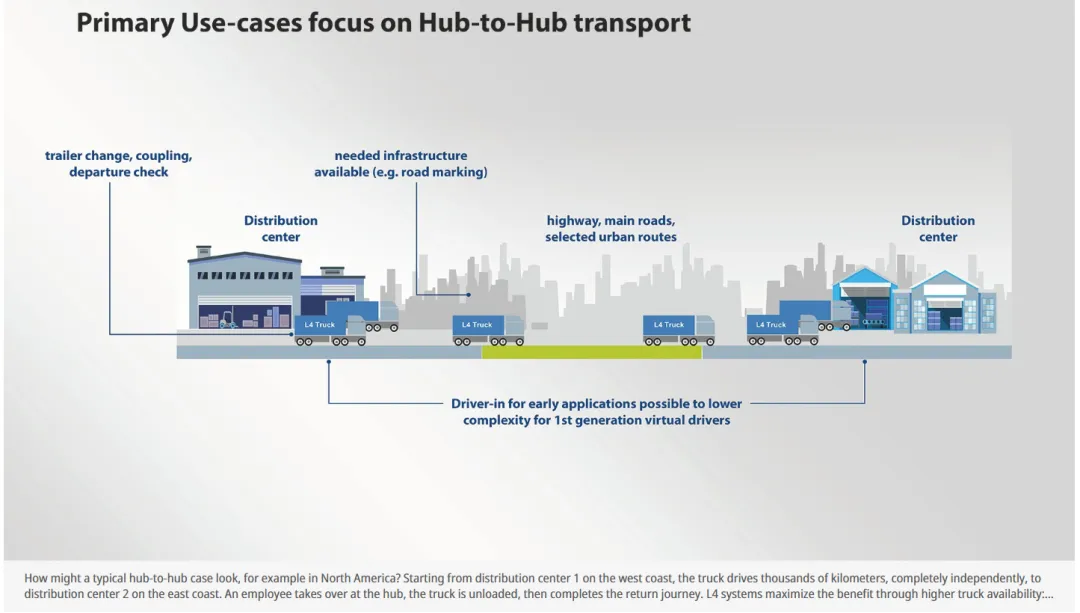
2. Hub2Hub use case

注:本号专注前沿汽车技术,国学知识,管理知识分享;希望您受益的同时,分享给更多的朋友;创作不易,尤其是专业知识,请尊重知识,远离不靠谱的垃圾知识!

最新文章

随机文章