原文标题:Electric vehicles: Charging ahead
原文出处:The Economist
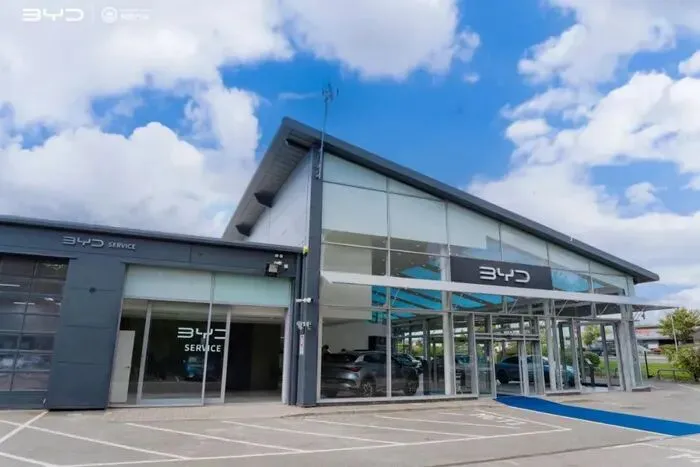
A short walk down the road from Berkeley Square in Mayfair, a swish part of London, sits a BYD showroom. The Chinese electric-vehicle (EV) manufacturer set up shop there last year. Rolls-Royce displays its luxury cars just across the street, having first taken up in the neighbourhood in 1932. BYD probably doesn’t mind the association.
(比亚迪在伦敦开设展厅,与劳斯莱斯等奢侈品牌相邻)
BYD clearly hopes to pitch its vehicles as aspirational(有抱负的). But their real allure is that they are affordable. One model on display, the Dolphin, sells for around £25,000 ($33,000); British car reviewers have called the pricing “attractive” and “impressively low”. What really worries BYD‘s Western rivals is that there is plenty of room for prices to fall. In China the Dolphin sells for 99,800 yuan, or just over £10,000. An analysis by Rhodium Group, a consultancy, found that BYD could cut its prices in Europe by 30% and still make the same profit per car that it does in China.
(比亚迪的核心优势是极致的价格竞争力和巨大的降价空间,令西方对手感到威胁。)
Consumers are gradually cottoning on to the appeal of Chinese EVs. Seeing an Ora, Maxus, MG or BYD marque on the road in Britain still feels noteworthy. On current trends, that won’t be the case for long. Chinese brands now make up around 10% of new EV sales in Britain, up from around 3-4% five years ago (see chart). Those figures, if anything, understate China’s increasing role in the car market because Western brands are also shifting carmaking to China. According to data from JATO Dynamics, an automotive-research firm, 22% of EVs registered in Britain (and 7.5% of all cars) are now made in China.
(中国电动车在英国市场份额显著增长,且大量在英销售的电动车产自中国。)
More affordable cars are welcome news for households: EVs are more expensive than their petrol equivalents for now, but the gap is narrowing fast. Making it cheaper to get around ought to be a welcome spur to growth. Speedy EV penetration is critical for the government’s decarbonisation goals. But these arguments also apply in America and the European Union, and they are both instituting hefty tariffs on Chinese cars to discourage imports and shield domestic carmakers. On August 26th Canada said that it was following suit.
(尽管廉价电动车对消费者和经济有益,美欧却实施关税保护本土产业,形成政策矛盾。)
Wisely, Britain’s new Labour government has so far largely leant away from such protectionism. Jonathan Reynolds, the business secretary, said in July that he was not planning to ask the independent Trade Remedies Authority (TRA) to investigate Chinese EVs, a necessary first step towards tariffs. Britain’s own car industry, which can also demand an investigation, has held off, too.
(与其他西方国家不同,英国新政府暂未对中国电动车采取保护主义措施。)
Why the different approach? The main motivation is likely to be fear of retaliatory tariffs. China is a big export market for high-end producers like Rolls-Royce, Jaguar and Bentley, which make up a big chunk of Britain’s car industry. And China would be unlikely to limit its retaliation to the car industry. Scottish salmon and whisky might be juicy targets; China buys lots of both products and Labour is loth to risk alienating voters north of the border.
(英国的主要顾虑是中国的报复性关税可能冲击其高端汽车出口和苏格兰关键产业。)
Advocates of trade barriers on Chinese EVs also raise security concerns. Modern cars gather vast amounts of data. Sensors scan road conditions; on-board computers connect to passengers’ smartphones; voice-control systems record conversations. The Chinese military has banned Tesla vehicles from its facilities since 2021, citing security issues with their on-board cameras. A Chinese carmaker should not be supplying ministerial cars in Britain—no matter how cheap. And there may come a point when Chinese EVs exert too much control over the market for comfort.
(中国电动车的数据安全问题引发关注,尤其在敏感应用中的使用。)
But what distinguishes Chinese EVs is less their usefulness for surveillance and more that they are increasingly competitive. For cameras, smart toasters and more, Chinese manufacturers have an incentive to behave well because any whiff(些许) of association with spying would be commercially harmful. The logic isn’t any different behind the steering wheel.
(中国电动车的竞争力越来越强,且制造商需要避免与间谍活动的关联来维持市场信任。)
经济贸易类
tariff /ˈtærɪf/ n. 关税
protectionism /prəˈtekʃənɪzəm/ n. 保护主义
import /ˈɪmpɔːt/ n./v. 进口 ↔ export 出口
domestic /dəˈmestɪk/ adj. 国内的
consultancy /kənˈsʌltənsi/ n. 咨询公司
profit margin 利润率
汽车产业类
EV (electric vehicle) 电动汽车
manufacturer /ˌmænjuˈfæktʃərə(r)/ n. 制造商
marque /mɑːk/ n. 品牌(特指汽车)
showroom /ˈʃəʊruːm/ n. 展厅
on-board adj. 车载的
数据与市场类
penetration /ˌpenəˈtreɪʃn/ n. 渗透
register /ˈredʒɪstə(r)/ v. 登记,注册
analysis /əˈnæləsɪs/ n. 分析(复数 analyses)
trend /trend/ n. 趋势
figure /ˈfɪɡə(r)/ n. 数据,数字
政治政策类
authority /ɔːˈθɒrəti/ n. 当局,权威机构
investigate /ɪnˈvestɪɡeɪt/ v. 调查
retaliation /rɪˌtæliˈeɪʃn/ n. 报复
alienate /ˈeɪliəneɪt/ v. 疏远
抽象概念类
appeal /əˈpiːl/ n. 吸引力
allure /əˈlʊə(r)/ n. 魅力
association /əˌsəʊsiˈeɪʃn/ n. 关联
surveillance /səˈveɪləns/ n. 监控
competitive /kəmˈpetətɪv/ adj. 有竞争力的
noteworthy /ˈnəʊtwɜːði/ adj. 值得注意的
1. 数据论证句式(图表作文/举例论证)
→ 描述趋势变化的万能句
→ 描述增长的标准表达
2. 对比与转折句式
→ 高级转折结构,强调真正原因
→ 类比论证的巧妙表达
3. 原因分析句式
→ 分析动机或原因
→ 预测未来发展
4. 高级动词短语
"cotton on to" 开始明白,意识到
"set up shop" 开店,设立业务
"follow suit" 效仿,跟随
"hold off" 暂缓,推迟

 10个月宝宝每天需要喝多少奶粉?