1. The Beginning of the Journey: Building a Bridge Between Theory and Reality
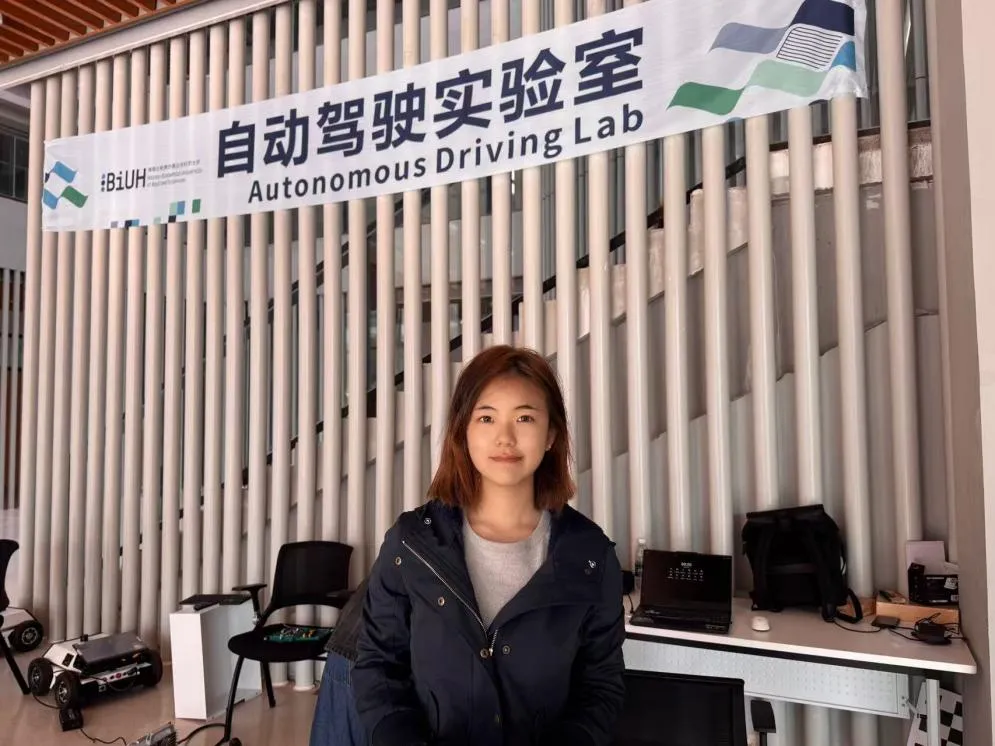
I am JING Yujuan from the Class of 2024 Computer Science majors at Hainan Bielefeld University of Applied Sciences. The ten-week internship in autonomous driving was a significant leap for me from the classroom to practical application. As a member of Team 9, following the project's framework and under the team leader's overall coordination, I progressed from setting up the basic environment to debugging the real-vehicle system. Step by step, I transformed theoretical knowledge into tangible, operational engineering outcomes, building a practical bridge connecting theory and reality.
2. Starting with Simulation: Letting Algorithms Take Root in the Virtual World
At the beginning of the internship, I used the Ubuntu system as my foundation, delving deep into setting up and configuring the ROS development environment within a virtual machine. From launching the ROS Core to running nodes and debugging communication between topics, each line of code was a seed. On the Turtlesim simulation platform, I allowed the P-control algorithm to take root and sprout, achieving the basic functionality of turtle following. During this phase, I not only became familiar with the basic logic of robot control but also, through repeated debugging, gained an appreciation for the attention to detail and rigor required in the process of implementing algorithms.
3. Advancing to the Real Vehicle: Letting Technology Take Root on a Steel Body
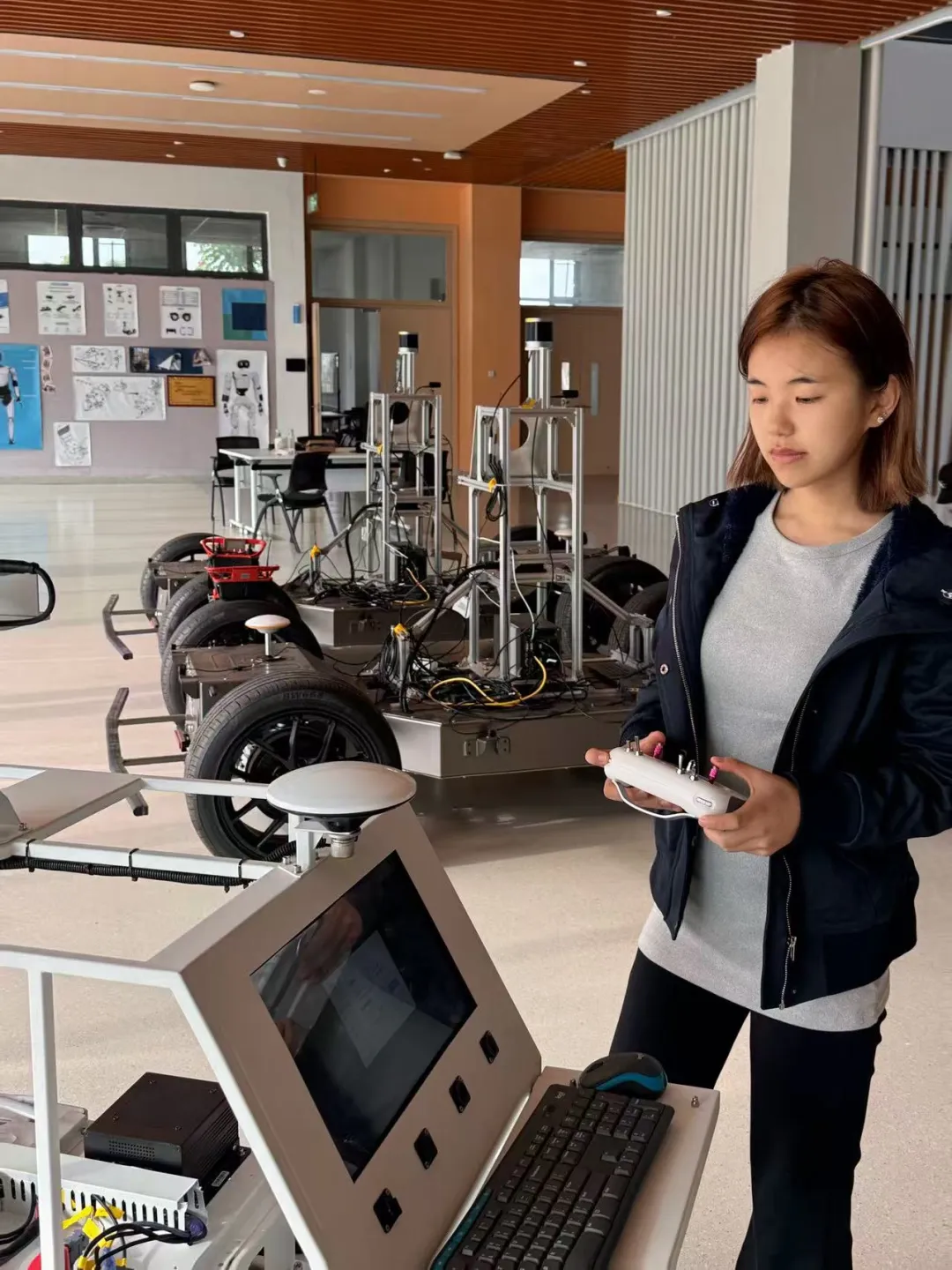
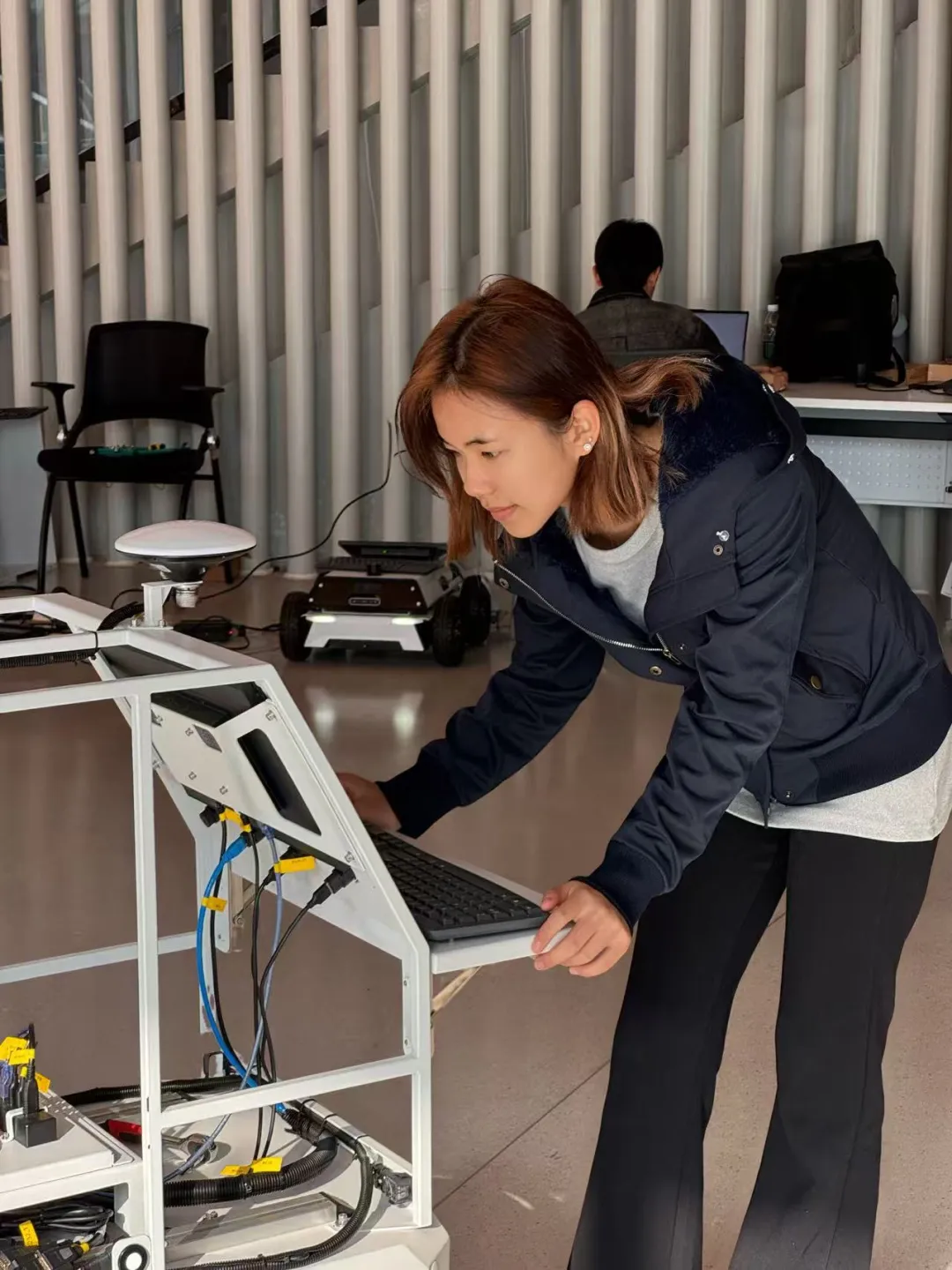
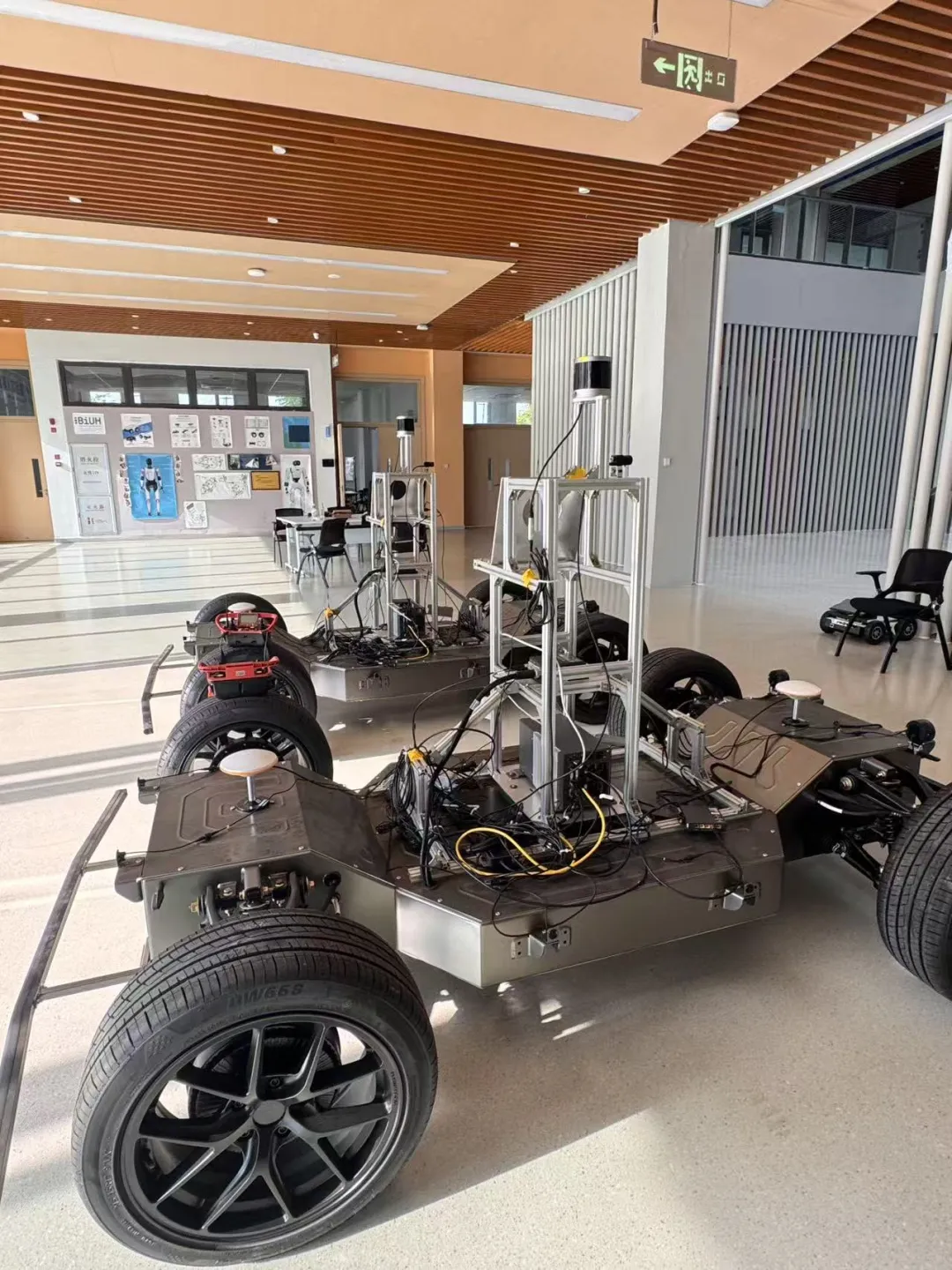
When the simulation code met real hardware, the chapter of hands-on practice truly began. I approached the FR-mid experimental vehicle, familiarizing myself with the deployment of sensors like LiDAR, stereo cameras, and GPS/IMU, and mastering the operational procedures for the vehicle's industrial computer and emergency braking system—akin to mapping the veins of a steel body. During the LiDAR debugging in Week 6, I completed tasks such as static IP configuration, Ethernet cable connection, and software debugging, resolving IP conflict issues to ensure stable point cloud data output. This allowed the technology to truly land on real hardware.
4. Refinement and Optimization: Perfecting the System Through Detail-Oriented Polishing
The core phase of the internship involved in-depth research and optimization of the system. Faced with the issue of false triggers in the AEB system caused by sensor noise, I assisted the team in adjusting the sliding window filter frame count to 30 frames to filter out abnormal data, making the emergency braking function more stable. To address the challenge of path intersections in the map during automatic tracking, I collaborated with the team to re-plan the test area, record the map a second time, and start various Apollo modules according to specifications, enabling the experimental vehicle to drive smoothly along the preset path. Each optimization was a polishing of details, pushing the entire system closer to perfection through relentless refinement.
5. Review and Consolidation: Letting Growth Bloom Quietly in the Time of Practice
The ten-week internship was a journey of continuously discovering and solving problems. From LiDAR connection failures to ROS node communication interruptions, from sensor data interference to abnormal map recording, overcoming each challenge represented genuine growth. Throughout this process, I not only accumulated hands-on experience in hardware debugging, software configuration, and algorithm optimization but also gained a deeper understanding of the synergistic beauty between hardware, software, and algorithms within an autonomous driving system. A meticulous, detail-oriented work ethic and the power of teamwork also quietly took root through practice.
6. Looking Ahead: Using Practice as a Torch to Illuminate the Path of Professional Growth
This experience has sharpened my clarity on the professional direction ahead: on one hand, I will continue to delve deep into control algorithms, translating the experience gained from tuning PID and LQR into more solid technical capabilities; on the other hand, I will also focus on the synergy between the perception and decision-making modules, exploring ways to make autonomous driving systems safer and more intelligent in complex scenarios.
Standing at the intersection of campus and the industry, this internship marks a pivotal starting point for my technical career. Going forward, I will carry the confidence forged through this practical experience and keep exploring on the track of autonomous driving, ensuring that the code I write not only runs smoothly in the virtual world, but also traces a steady and reliable path on real roads.